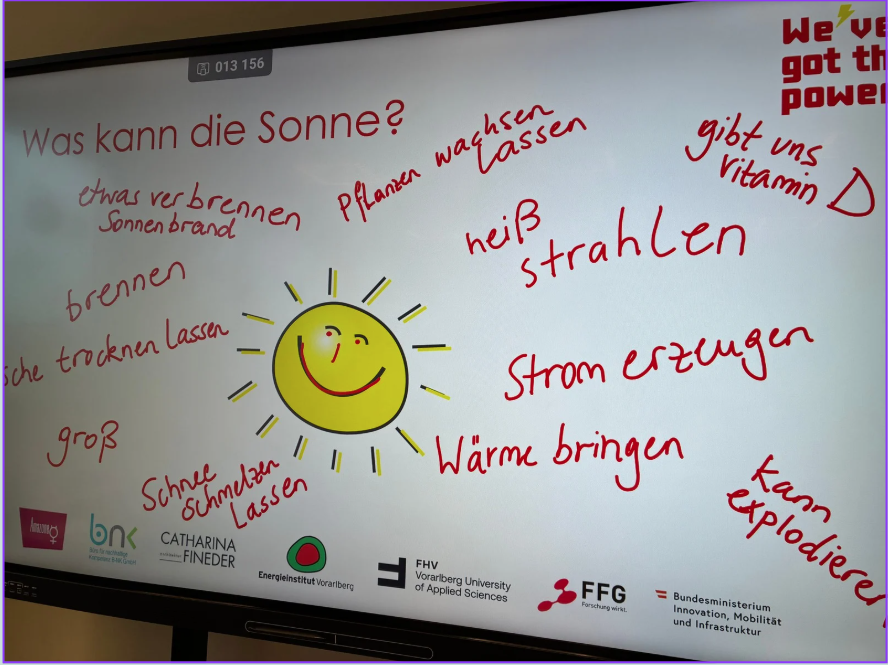
The energy and heating transitions are key components in combating the climate crisis (see BMK, n.d.; BMWK 2023) and primarily affect future generations. The project addresses this by making knowledge about the energy and heating transitions tangible for children and young people and by creating points of reference in their environments. Children and young people who understand the importance of sustainable energy sources such as solar, wind, geothermal, biomass, biogas, and water—and who grasp the interconnections and implications—are empowered to actively help shape a sustainable future.
The overarching goal of the project is to familiarize children and young people with research, technology, and innovation (RTI) and, as a result, to work together to identify future-oriented potential and courses of action. Through pedagogically innovative and experiential hands-on processes, technology and research are made tangible, awareness of the energy and heating transitions is heightened, and opportunities and career paths for actively shaping society and the region in this regard are highlighted.
The project provides students at various grade levels—in a manner that is age-appropriate, sensitive to gender and diversity, and relevant to everyday life —with hands-on exposure to energy-related topics and careers, and aims to foster (initial) positive experiences with and enthusiasm for related fields of research and development.
Vorarlberg, as a hub for business and technology, and the companies based here place a strong emphasis on science, technology, engineering, and mathematics (STEM). This requires a more in-depth exploration of these fields and targeted outreach to children and adolescents, as relevant areas are still not part of everyday life for girls (or boys who are not interested in technology). For children and adolescents—especially those from socially or educationally disadvantaged backgrounds—there is a lack of everyday opportunities for engagement, such as spaces for experimentation, positive and empowering activities that break down barriers, and role models who can connect with the diverse realities of their lives.
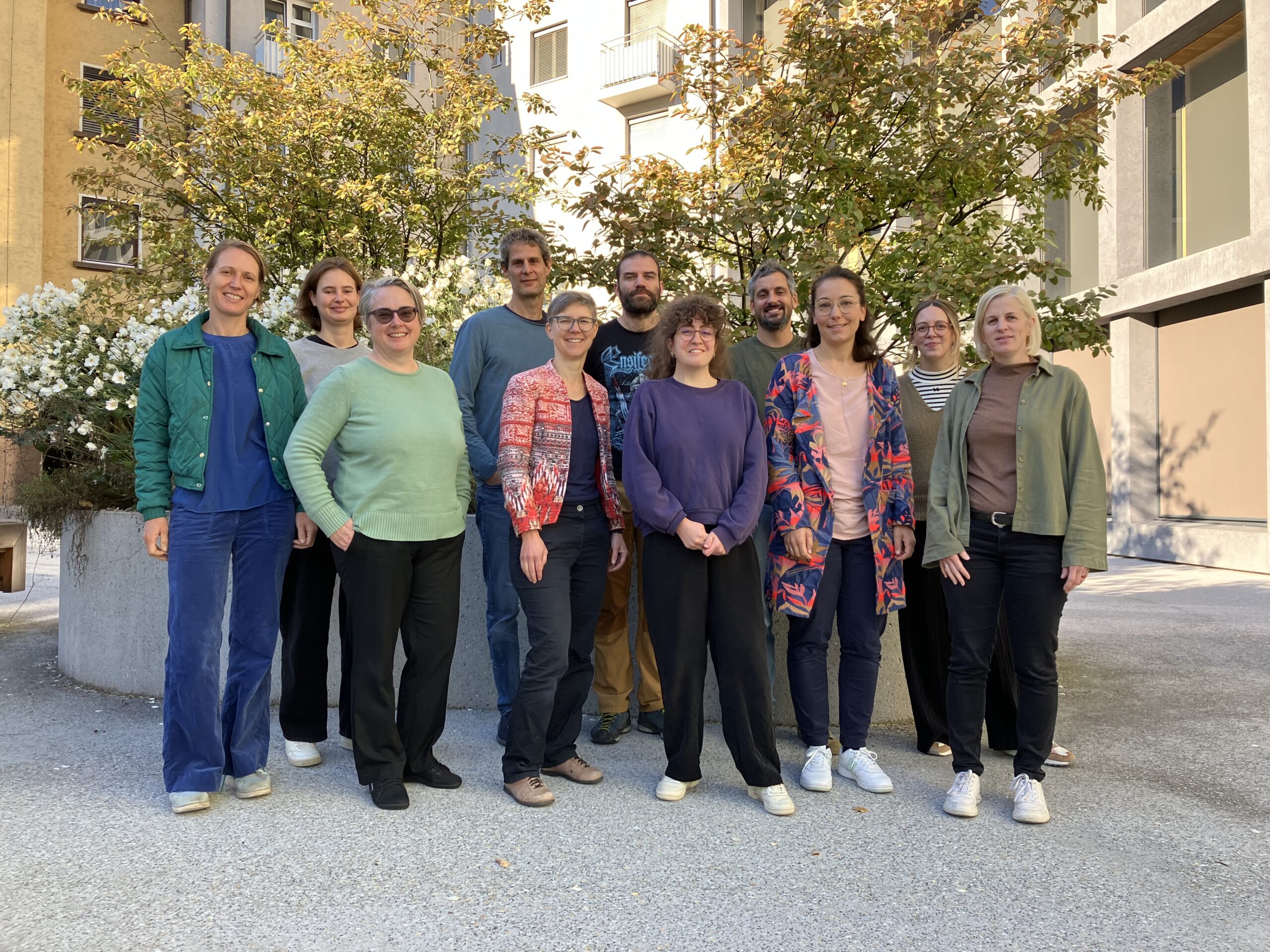
The organizations represented in the project consortium have been working for years in relevant fields and have already carried out a large number of projects—including regional talent development projects (“Learning Space of the Future,” weTEC!, Climate, Careers & Me) as well as other educational projects involving children and youth, (female) apprentices, companies, educational institutions, and initiatives aimed at raising public awareness. This project seeks to establish a deeper, closer link between the education and labor systems.